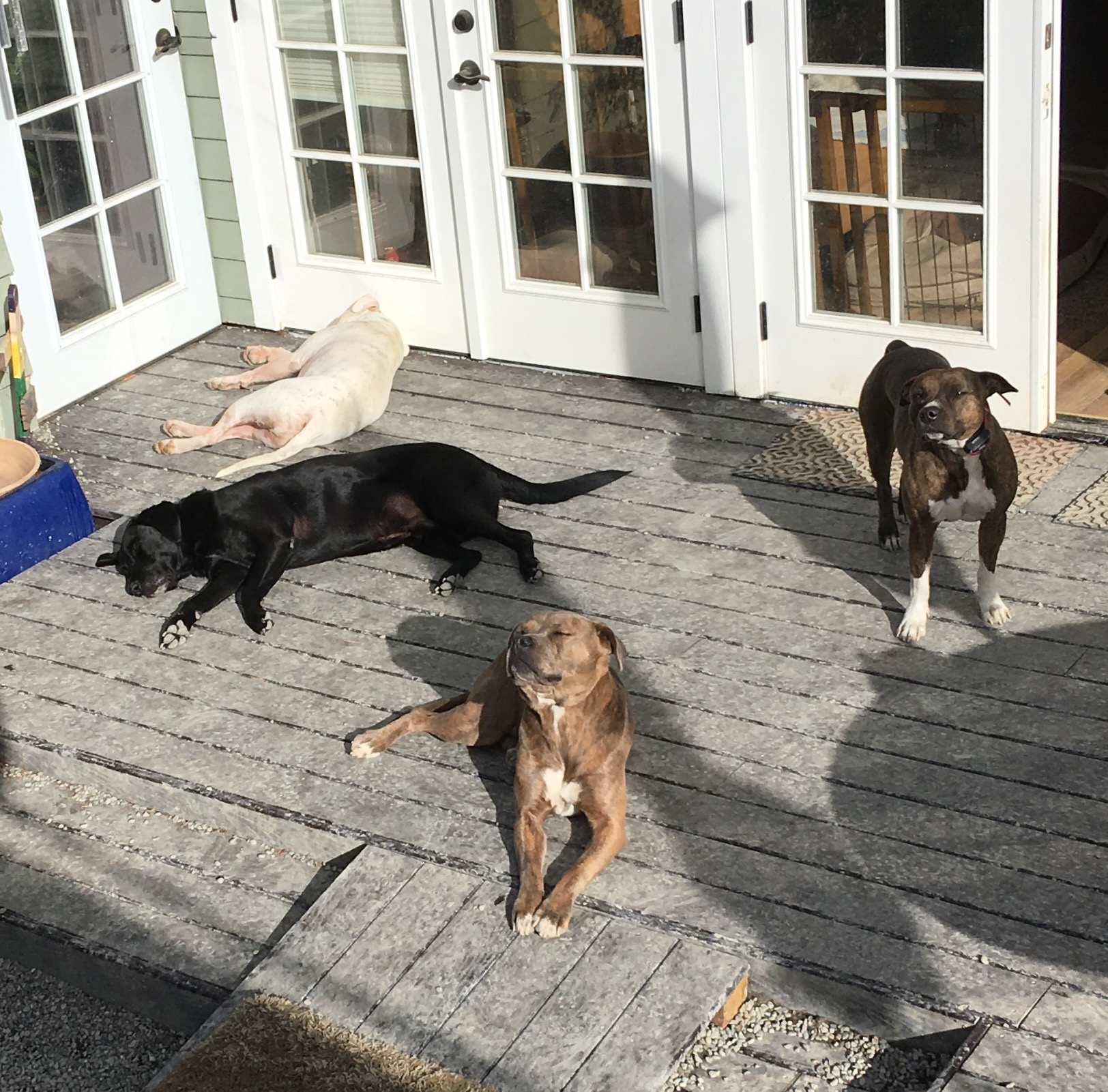
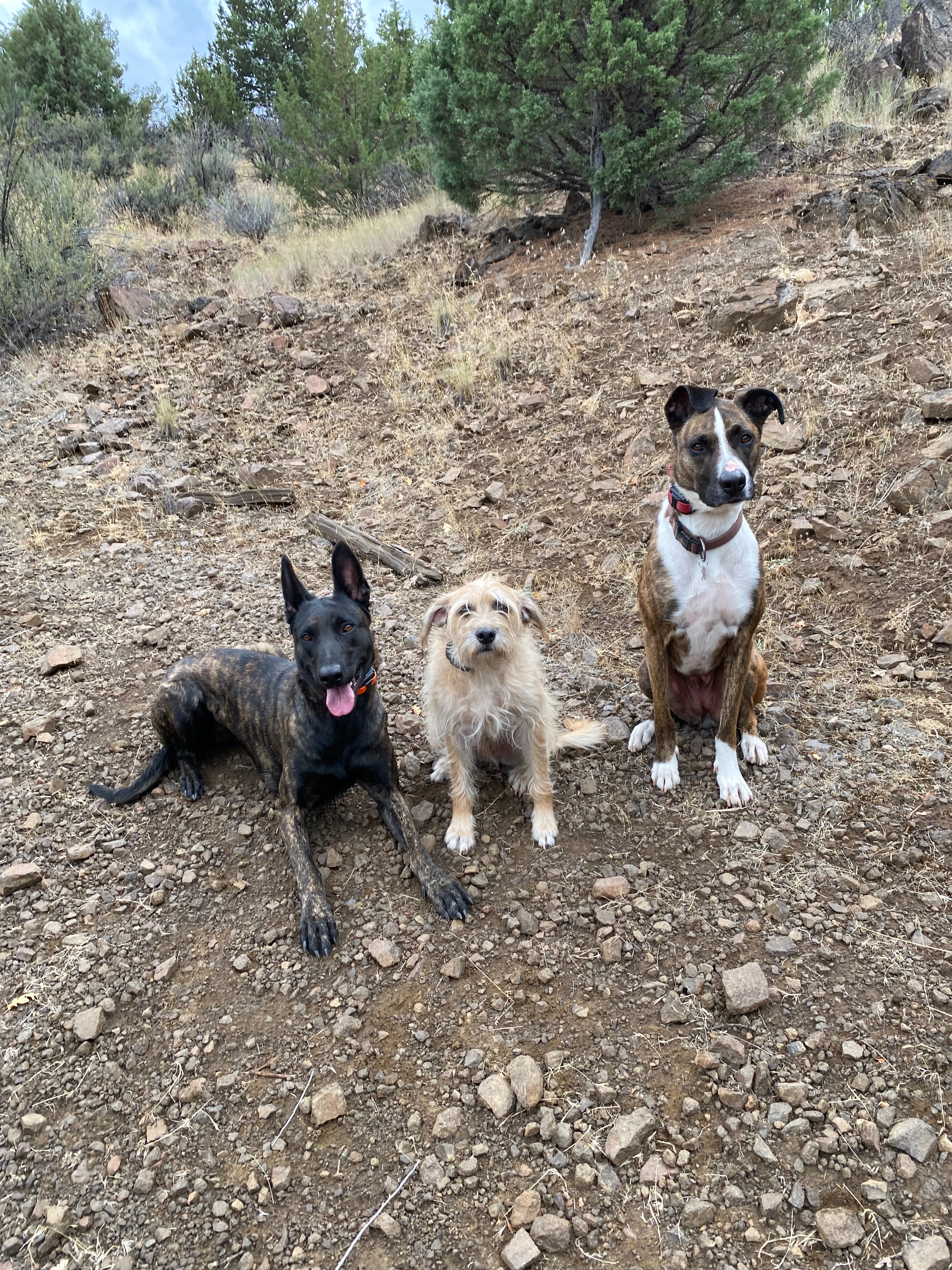
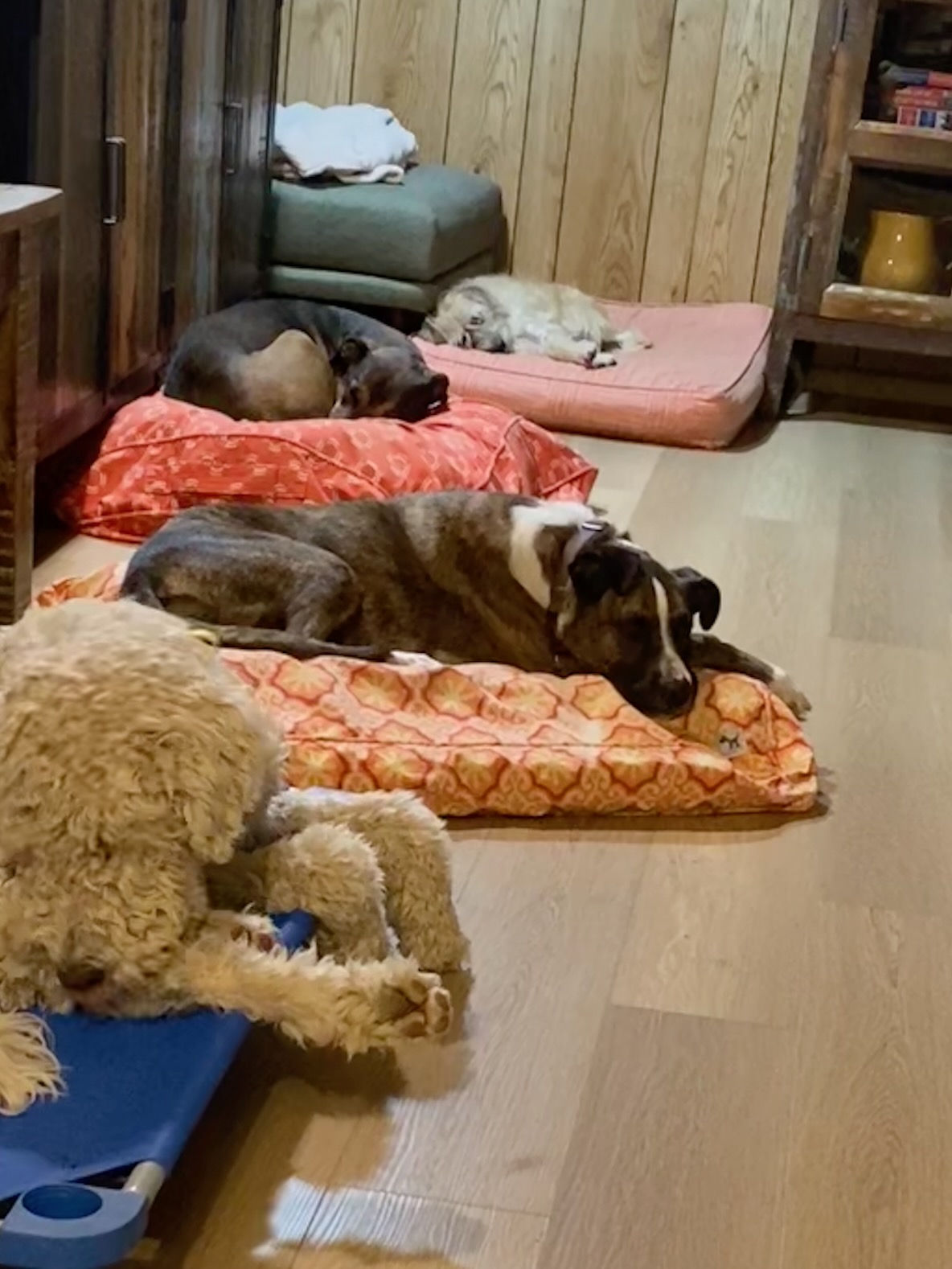
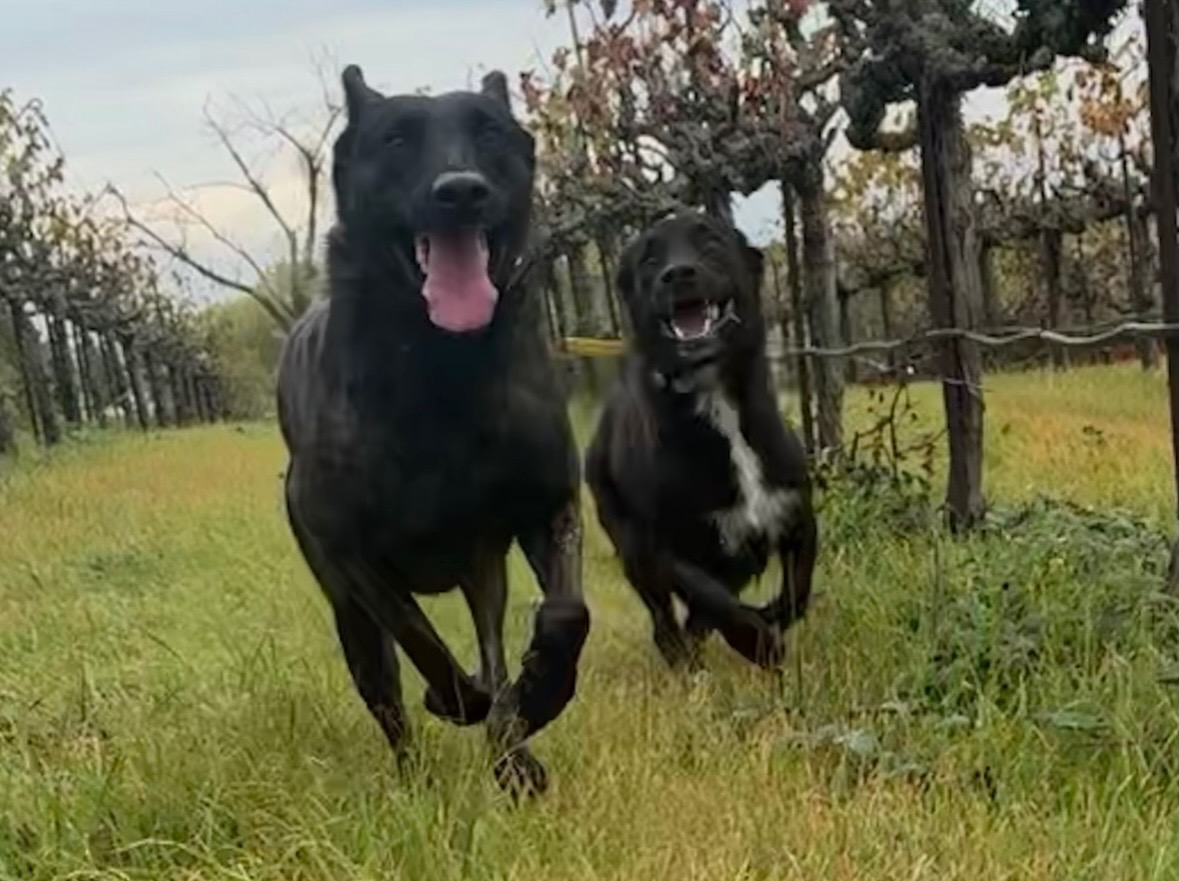
Oliver’s Travels Dog Training and Behavioral Rehabilitation (OTDT) offers two Board & Train programs based on what your dog needs. The Foundation Board & Train is designed for dogs who need solid training, better manners, reliable obedience, and greater freedom. The Behavioral Rehabilitation Board & Train provides that same strong foundation, with additional time and training devoted to resolving aggression, reactivity, resource guarding, anxiety, and other behavioral challenges.
Both programs are designed to provide not only what your dog needs, but what you need when your dog comes home: dedicated, personalized support as you learn to work successfully with your dog. Both Board & Train programs include Stage 1 — Training With Me and Stage 2 — Guided Home Leadership With You.
Foundation Board & Train
$4,200 | Typical Training Stay: 3 Weeks
The Foundation Board & Train is designed for dogs who don’t require behavioral rehabilitation but need a stronger foundation to become more reliable, polite, and enjoyable companions both at home and out in public.
This program is also ideal for owners who want the reliability necessary to safely enjoy greater off-leash freedom with their dogs.
Your Dog’s Training Includes
Reliable obedience on-leash and off-leash
Recall
Impulse control
Respect for boundaries
Respectful behavior
Improved manners at home and in public
Greater ability to settle and remain neutral around everyday distractions
Behavioral Rehabilitation Board & Train
$6,000 | Typical Training Stay: 5 Weeks
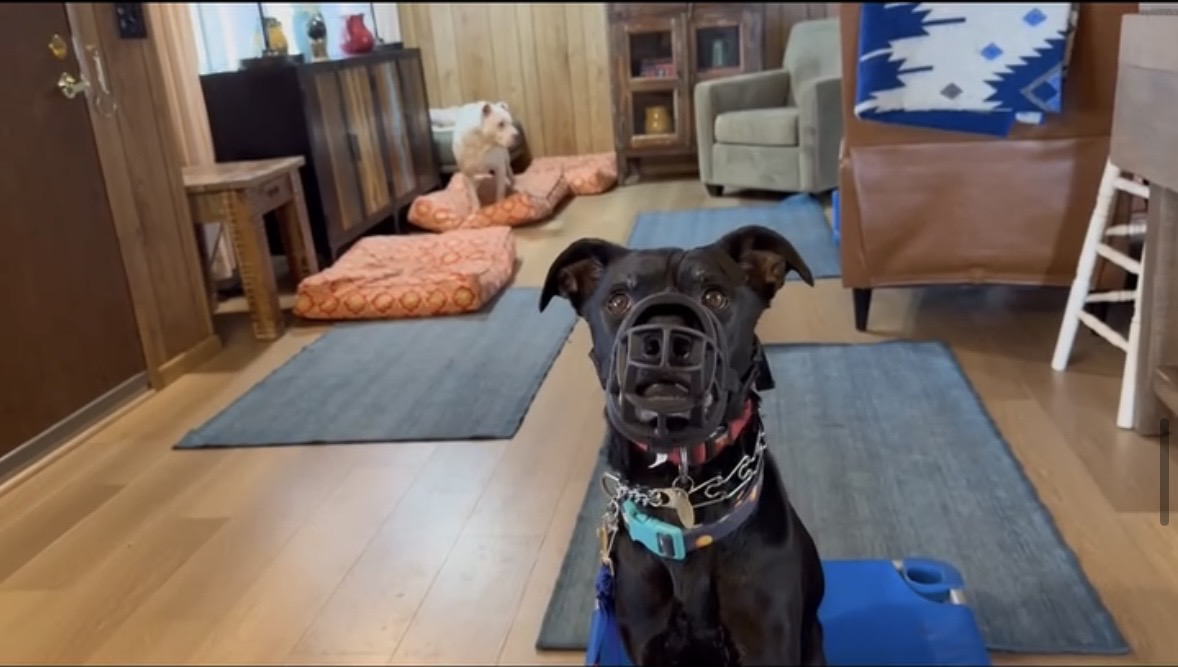
The Behavioral Rehabilitation Board & Train is designed for dogs whose challenges go beyond needing better obedience or manners.
Dogs May Struggle With
Aggression toward people and/or dogs
Reactivity
Anxiety or significant insecurity
Separation anxiety
Resource guarding
Bite histories involving people and/or dogs
Overstimulation that leads to problematic behavior
Other behavioral challenges that significantly limit everyday life
These dogs need the same strong foundation established in the Foundation Board & Train — and more time to learn how to use that foundation when faced with situations they previously found difficult.
Once that foundation is established, I begin introducing your dog’s former triggers at a level of exposure your dog can successfully handle.
We aren’t simply suppressing an unwanted reaction. We’re teaching your dog a new way of experiencing the old trigger.
Stage 1 — Training With Me
During your dog’s Board & Train, I establish the training and behavioral foundation your dog needs. OTDT remains intentionally small, with typically only two dogs actively in training at a time. Start dates are intentionally staggered so each new dog receives concentrated attention during the most intensive early stage of training.
Everyday commands
Come · Place · Down · Sit · Let’s Go · Heel · Out · Break · That’s Enough · No
These commands are taught for reliable responses both on and off leash, including around the distractions and situations that are part of real life.
Your Stage 2 preparation begins while your dog is still with me. Through frequent photos, videos and progress updates, I don’t simply show you what your dog is doing. I explain what I’m seeing, why particular milestones matter, and how the changes taking place during training will relate to the work you’ll continue at home.
Stage 2 — Guided Home Leadership With You
Because your relationship with your dog directly influences his behavior, an important goal of Stage 2 is establishing your own leadership relationship with him.
When your dog returns home, we continue the rehabilitation together.
You’ll go home with a structured, milestone-based progression of activities to work through with your dog. As you progress, I’ll review videos of your work together, provide feedback, and guide your next steps.
Together, we’ll use those milestones to establish your leadership foundation, gradually add exposure to former triggers, and expand the freedom your dog is able to handle successfully.
My support continues throughout the Guided Home Leadership stage. Progress — and my support — is based on milestones, not an arbitrary calendar or a predetermined number of follow-up sessions.
Which Program Does My Dog Need?
We can determine that together.
A dog with a significant bite history or serious aggression clearly requires behavioral rehabilitation. A friendly dog whose owner primarily wants excellent manners and reliable off-leash obedience may be an obvious fit for the Foundation program. Other dogs fall somewhere in between.
During our free phone consultation, we’ll talk about your dog’s behavior, history, current challenges, and what you’d like life together to look like. From there, I can recommend the program that’s appropriate for your dog.
Location & Transportation
OTDT is based near Lodi, California and serves clients throughout the San Francisco Bay Area and Northern California.
Transportation services are available for Board & Train dogs.
Boarding for OTDT Alumni
Exclusively for Dogs Who Have Trained With Me
Boarding is available exclusively to dogs who have previously completed training with OTDT.
When former clients travel, their dogs can return to an environment — and a trainer — already familiar with their training, history, expectations, and individual needs.
For many clients, that relationship continues for years after their original training program.
The trained dogs who return for vacation boarding also contribute to the varied population of known dogs within my training environment, providing valuable opportunities for carefully managed social exposure with dogs currently going through training.
Vacation Boarding for OTDT Dogs
A familiar place to stay — with training built in.
Every dog who completes an OTDT Board & Train is welcome back for vacation boarding. Because I already know your dog, his training, and the expectations that helped create his success, boarding can be more than simply a safe place to stay while you’re away.
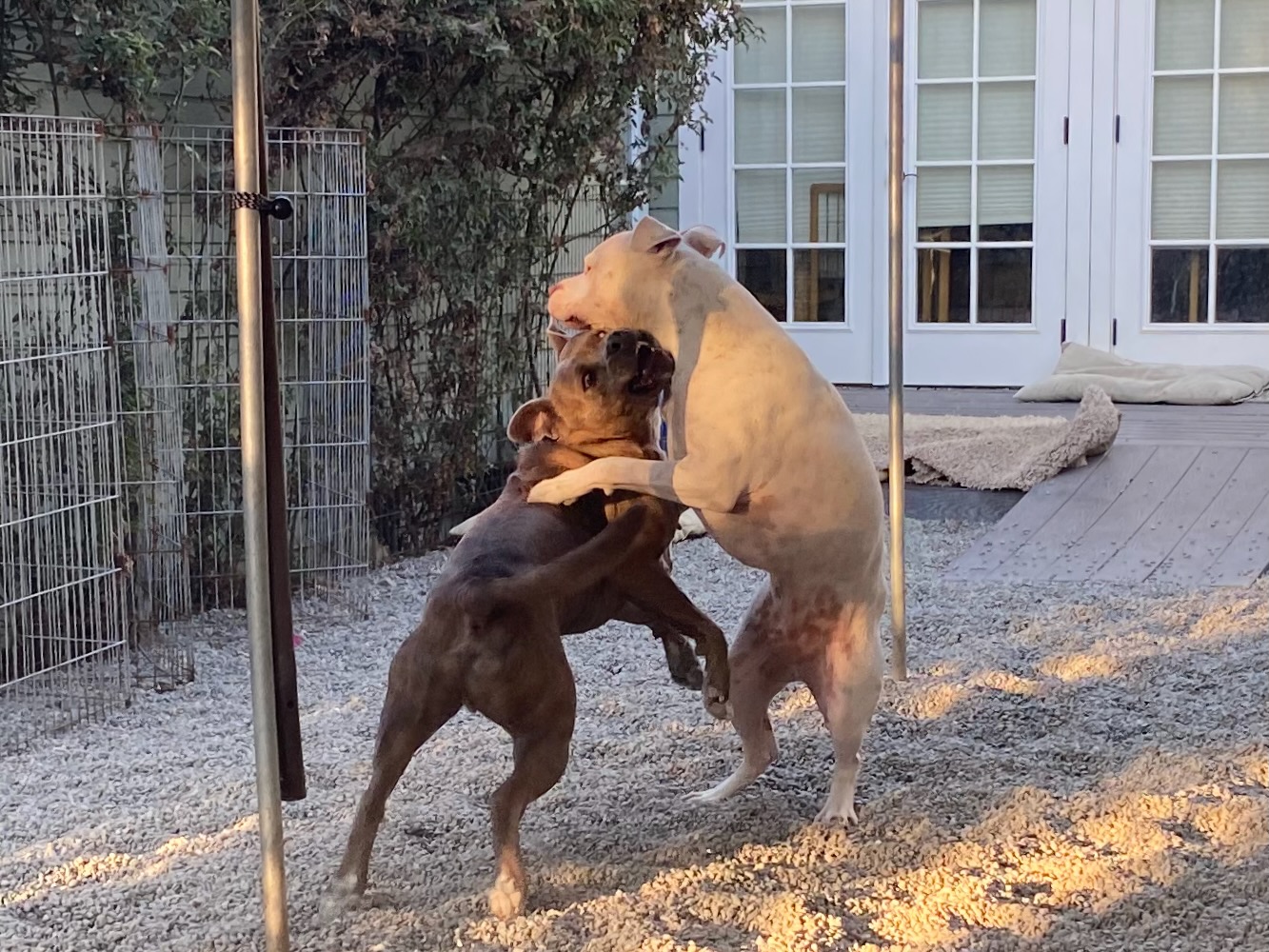
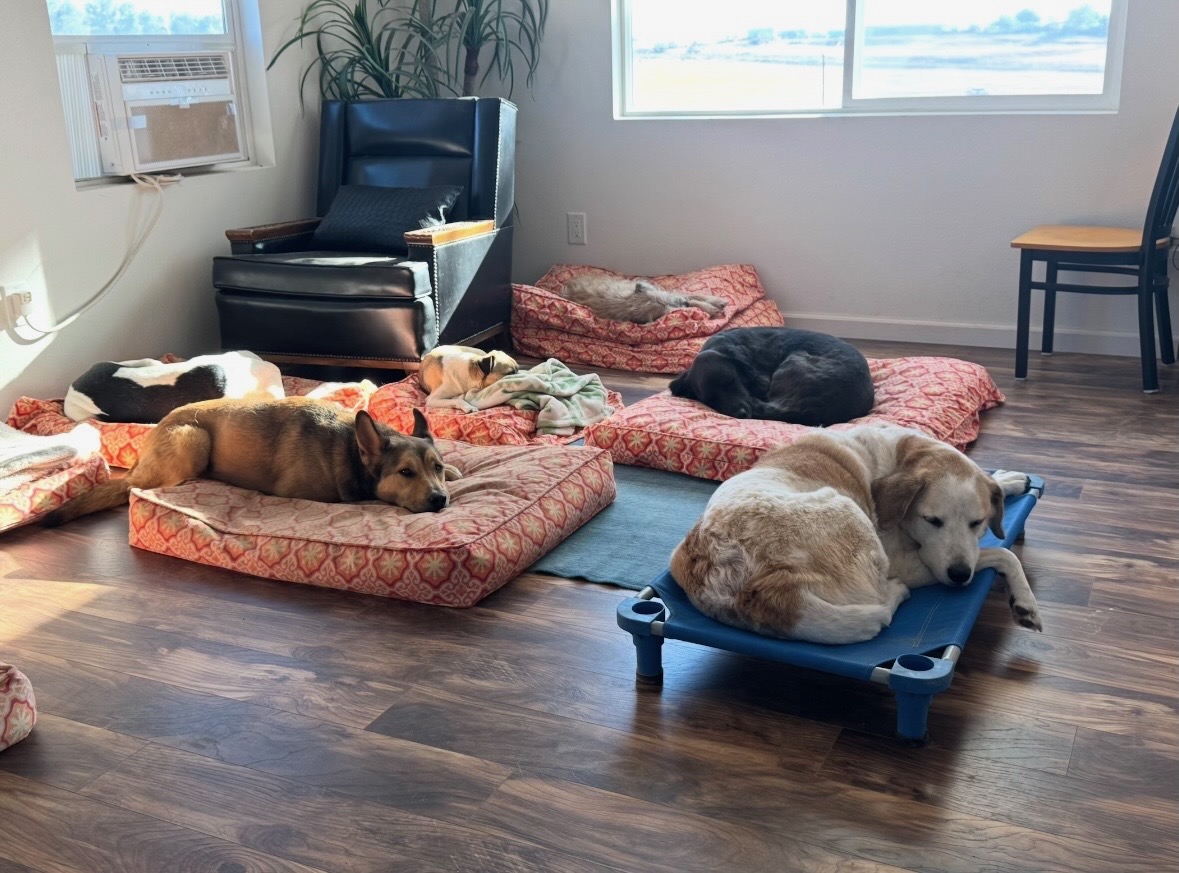
OTDT dogs join the daily rhythm here — relaxing with other dogs, practicing familiar training, enjoying yard socialization, and going on off-leash group walks. Training tune-ups are automatically part of their stay, reinforcing the skills, structure and expectations that support the freedom they enjoy at home.
For owners of dogs who once struggled with behavioral issues, having a trusted boarding option can be especially valuable. And for me, having dogs I trained years ago come back to stay is one of the great pleasures of this work.
Here are a few familiar faces back for boarding years after their original training.
Mac & Sadie
Mac playing with Evan during a boarding stay.
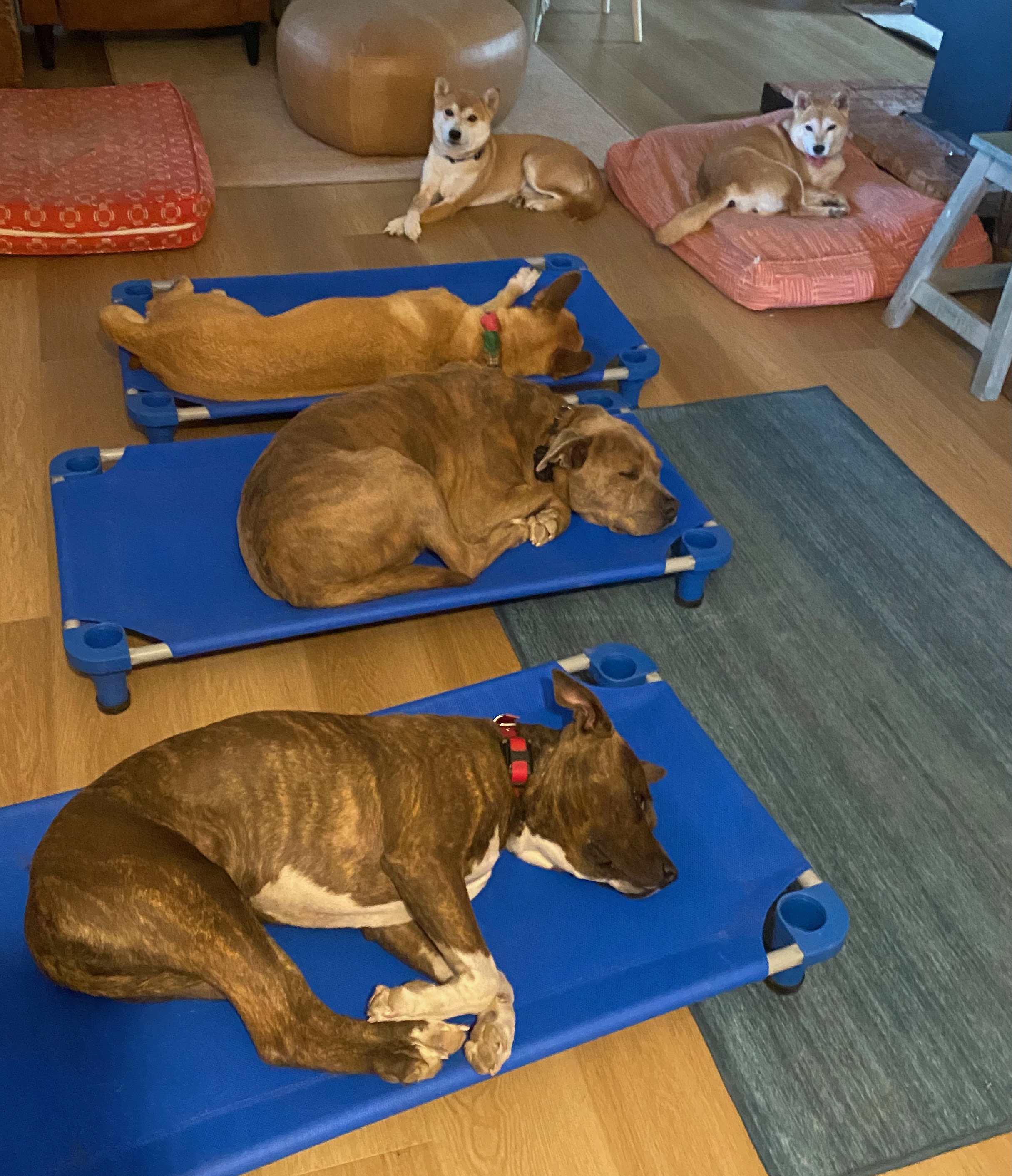
Mac & Sadie practicing Place with the boarding group — reinforcing the same skills and expectations that continue to support their success.
Mac & Sadie relaxing with the group during a boarding stay.
Bagel
Bagel enjoying off-leash time with Pauli and Augie during a boarding stay.
Bagel relaxing on Place with the boarding group.
Kuma
Kuma enjoying off-leash time with Pauli during a boarding stay.
Kuma relaxing on Place with the boarding group.
About My Training Approach
Balanced Training, Balanced Dog
Having a balanced dog means having a dog who listens to you, doesn’t overreact to outside stimuli — whether another dog, the doorbell, or the mail carrier — and generally moves through life in a calm, respectful manner.
Taking a balanced approach to dog training starts with the dog’s state of mind. Teaching a dog how to be calm and relaxed makes her less likely to react to triggering stimuli and better able to respond to your direction.
Balanced training also means using both reinforcement and correction. During the teaching phase, your dog learns through positive reinforcement. Once she has been fairly and thoroughly taught and consistently demonstrates that she understands what is being asked, corrections may be used when she chooses not to comply.
While accountability may not be the romantic side of dog training, it is an integral part of lasting success — especially once your dog returns home. Much of the change you experience with your dog, from reliable obedience to the resolution of serious behavioral issues, will depend on the new leadership relationship you establish with her. Holding your dog accountable for expectations she already understands is an important part of establishing and maintaining that leadership.
OTDT uses a balanced training approach and includes prong collars and remote e-collars when appropriate for the individual dog.
Because prong collars and remote e-collars are part of my training approach when appropriate, OTDT is best suited to owners who are comfortable with the use of these tools.