How Training Works
Two Stages. One Goal.
My experience with Oliver taught me that training the dog is only the first half of a successful Board & Train. That experience inspired me to organize my board-and-train programs into two connected stages: first I establish your dog’s new foundation, then I guide you in building a leadership relationship with him that sustains those results for years to come. The length and focus of Stage 1 depend on whether your dog is here for foundational training or behavioral rehabilitation.
Stage 1 — Training With Me
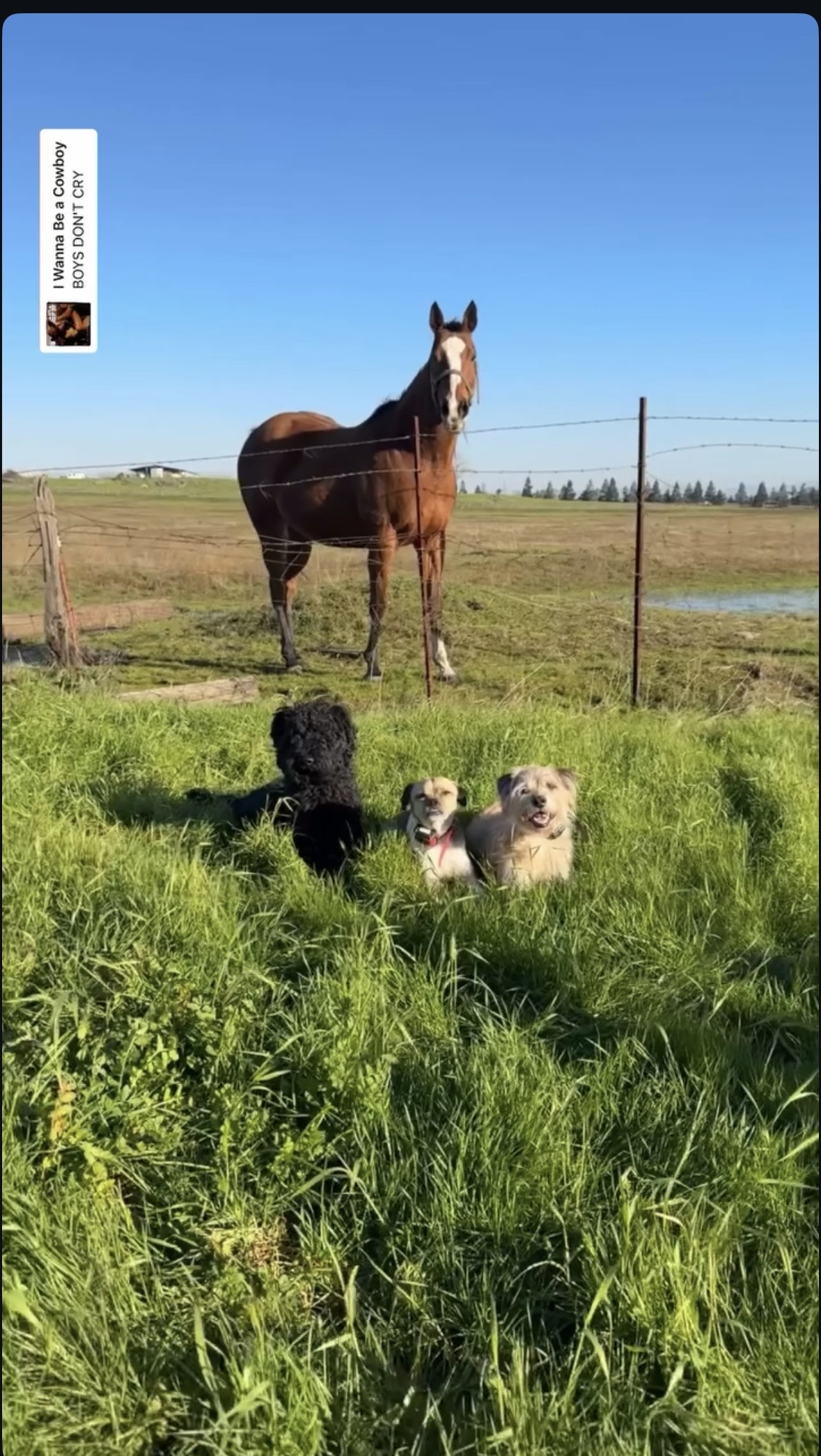
Your dog’s training begins with me, but your preparation for what happens next begins during Stage 1 as well.
As your dog progresses, I’ll share photos, videos and updates that do more than show you what your dog has learned. I’ll explain what I’m seeing, why particular changes matter, and what they tell us about your dog’s progress. By the time we begin working together in person, you’ll already have been learning about the foundation your dog and I have established.
ESTABLISHING YOUR DOG’S FOUNDATION
Obedience is only one part.
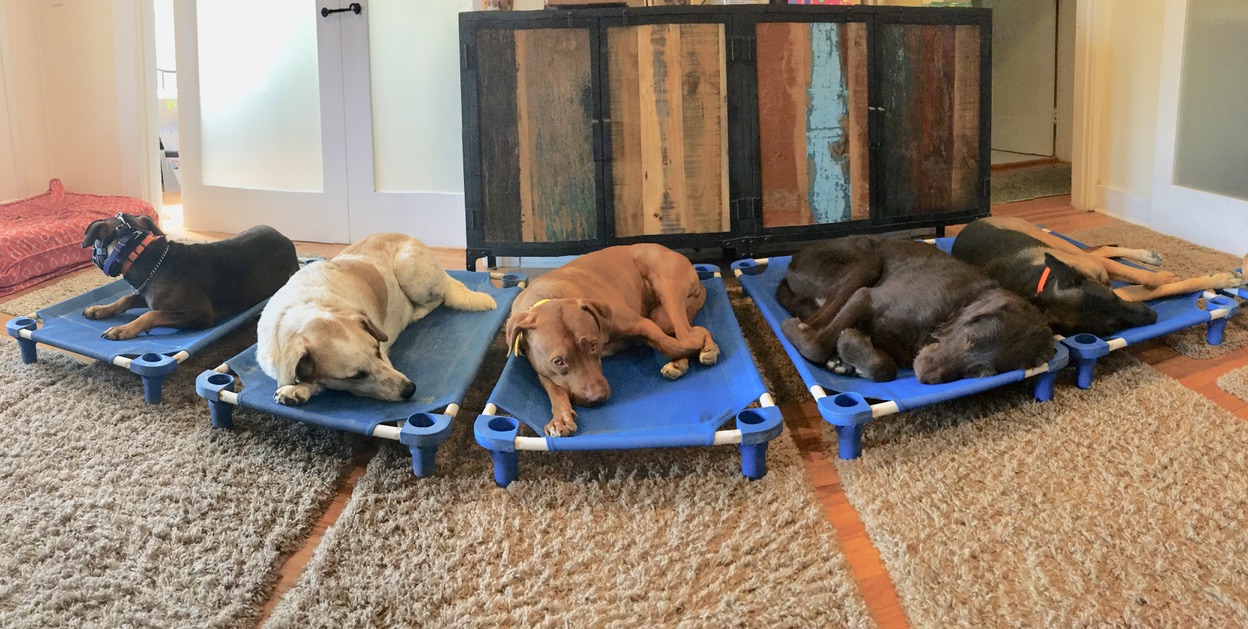
Your dog lives and trains with me in a home environment, not a commercial kennel, providing exposure to typical household distractions throughout her stay. While obedience commands are a cornerstone of your dog’s foundation, they work in tandem with the new skills your dog develops around impulse control, a calmer state of mind, and respect for boundaries. Together, these skills help your dog develop greater tolerance for frustration, make more thoughtful decisions, and respond reliably to your guidance and direction.
For all dogs, these skills are the fundamentals of easy living long after training. For behavioral rehabilitation dogs, they also provide the foundation we use when addressing situations they previously found difficult.
The Transition Home
We prepare together before you start Stage 2.
Hands-on go-home sessions give you the opportunity to learn your dog’s training with me there to guide you. You’ll practice handling, communication and expectations with your own dog, while I help you recognize and respond to the same things I’ve been showing you throughout Stage 1.
The goal isn’t for you to learn everything you’ll ever need before your dog goes home. It’s to give us a shared language and a strong enough hands-on foundation for you to feel ready to begin Stage 2.
Stage 2 — Guided Home Leadership With You
Once your dog is home, the setting changes — but our work together continues.
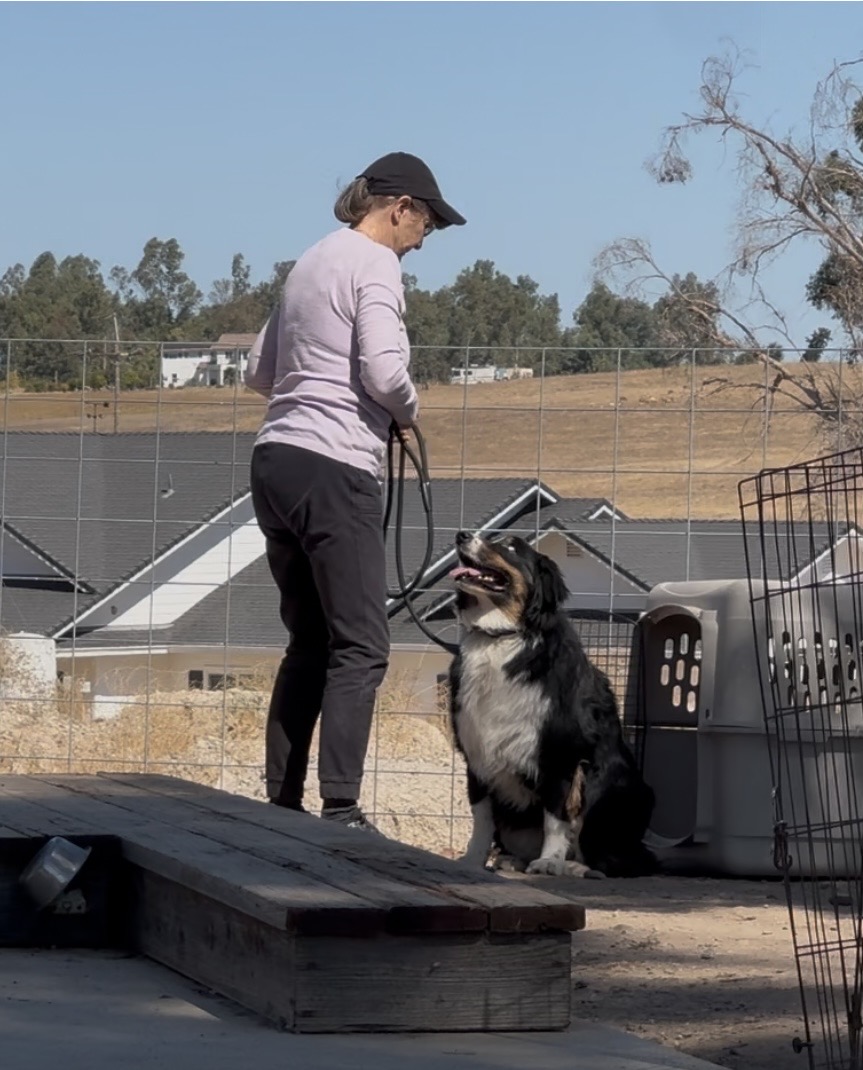
You’ll begin a structured, milestone-based progression designed to help you establish your own leadership relationship with your dog. Stage 2 is not about spending hours each day actively training your dog. The emphasis is on the quality and consistency of your interactions, not the quantity of time spent training.
As you work together, I’ll review videos of your progress, provide feedback, answer questions, and guide what comes next.
Video gives me an important window into what is actually happening between you and your dog at home. Because your dog may behave differently when I’m present, seeing you work together without me there gives me a clearer picture of how your dog is responding to your leadership. That allows my feedback and guidance to be based on the relationship you are actually building with your dog in everyday life.
As that foundation becomes stronger, we’ll gradually introduce former triggers, greater freedom, privileges and new experiences. Progress is determined by what you and your dog are ready for — not by an arbitrary calendar.
The considerable structure that begins Stage 2 is a means to an end, not a permanent way of living with your dog. As your dog demonstrates readiness, that structure gradually gives way to greater freedom and a more regular life together. The leadership foundation you will have established gives your dog what she needs to handle the freedom of regular life successfully.
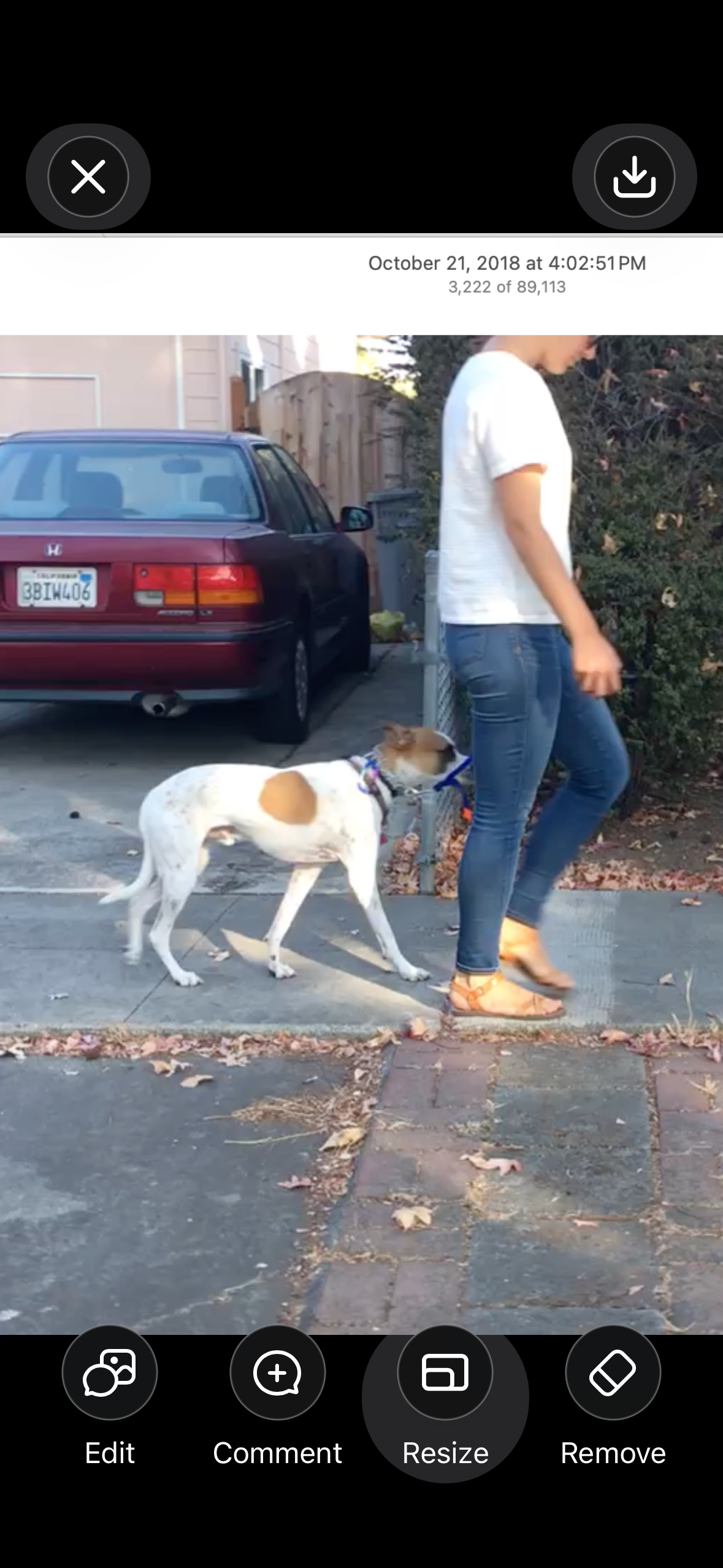
Your Dog Learns
- Reliable obedience—on and off leash
- Impulse control and respect for boundaries
- Respectful behavior and calmer responses
- Better decision-making and how to accept direction
- For behavioral rehabilitation dogs: how to respond successfully to former triggers
You Learn
- How to read your dog’s state of mind
- How to provide leadership that increases confidence
- How to sustain your dog’s training or behavioral rehabilitation throughout his life
A balanced approach to training
I use balanced training, which means teaching through positive reinforcement and introducing fair, appropriate corrections only after a dog has been thoroughly taught what is expected.
But balanced training is about more than reinforcement and correction. Much of my work focuses on a dog’s state of mind — helping her become calmer, develop better impulse control, and learn to respond to guidance rather than overreact to the world around her.
The goal is not simply a dog who knows obedience commands. It is a more balanced dog who can use those skills successfully in everyday life.
Training tools
Depending on the individual dog and the goals of training, I use a variety of training tools, including food, leashes, slip leads, prong collars and remote e-collars. Tools are introduced thoughtfully and used as part of the larger training process — not as a substitute for teaching, communication or relationship.
Because prong collars and remote e-collars are part of my training approach when appropriate, OTDT is best suited to owners who are comfortable with the use of these tools.
Ready to talk about your dog?